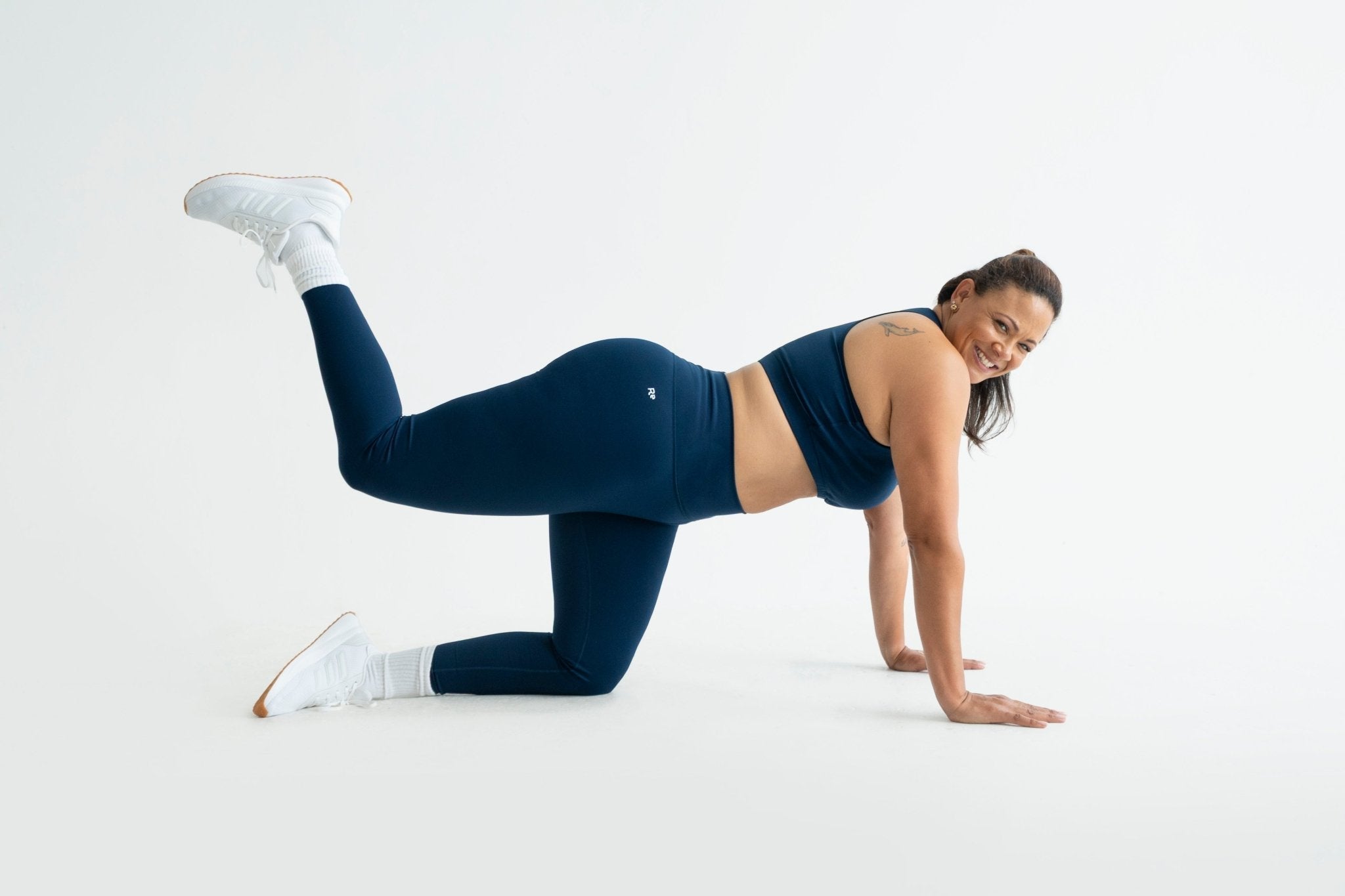

Breast Cancer Awareness Month 2025
What You Wear Matters: Wearing Activewear That is Safe for Your Body
October is Breast Cancer Awareness Month, a time to reflect and take meaningful steps toward protecting our health. At Reprise, I believe true wellness begins with the small, everyday choices we make—including what we put on our skin.
The Hidden Risks of Polyester and Plastic-Based Clothing
Most people don’t realize that the majority of today’s activewear is made from polyester, nylon, or spandex—materials derived from petroleum-based plastics. These synthetic fabrics are often treated with chemical additives to improve stretch, durability, and water resistance. One of the biggest concerns among these additives is BPA (bisphenol A), a chemical used to harden plastics that is also found in food containers and water bottles.
BPA is a known endocrine disruptor, meaning it can mimic or interfere with the body’s natural hormones, particularly estrogen. Since estrogen plays a key role in the development and progression of breast cancer, long-term exposure to BPA has raised serious concerns in the medical community. Recent studies have found measurable levels of BPA in polyester-based athletic clothing, especially sports bras and leggings—garments that are worn close to the skin for extended periods of time.
How BPA and Synthetic Fibers Affect the Skin and Body
Your skin is your largest organ and acts as a gateway between your body and the external world. When you move, sweat, and generate heat during a workout, your pores open—creating an environment where certain chemicals, including BPA, can be absorbed more easily. This is especially concerning in the chest area, where thin, tight-fitting polyester fabrics often come into direct contact with breast tissue.
Prolonged exposure to these chemicals may not only irritate sensitive skin but could also contribute to hormonal imbalance and increased breast cancer risk over time. While more research is still emerging, the evidence is strong enough that many health professionals now recommend limiting skin contact with plastics and synthetic textiles whenever possible.
Choosing Safer Alternatives: Nontoxic and Organic Activewear
Fortunately, there are better options. Nontoxic activewear and organic activewear made from natural fibers—like TENCEL™ (made from eucalyptus), organic cotton, or other plant-based materials—allow your skin to breathe while minimizing chemical exposure. These fabrics are naturally soft, hypoallergenic, and biodegradable, offering a safer, more sustainable alternative to plastic-based performance wear.
At Reprise, all pieces are designed with your health in mind. Our toxin-free workout clothes are made without polyester or nylon, so you can move, sweat, and live freely without worrying about hidden chemicals against your skin. Each piece supports your body’s natural rhythms while aligning with a more conscious, sustainable lifestyle.
A Call to Awareness
This Breast Cancer Awareness Month, I encourage you to think beyond traditional risk factors and consider what you wear as part of your overall wellness routine. By choosing organic activewear and nontoxic workout clothing, you’re not only protecting your body but also taking a stand for a cleaner, healthier planet.